The Enduring Flame: How Italy Passes the Torch of Ancient Civilizations to Modernity
Nestled gracefully in the heart of southern Europe, Italy is a country that has captivated the global imagination for millennia. More than just a destination, it is a living narrative, where the echoes of ancient empires resonate through bustling modern cities and the brushstrokes of Renaissance masters adorn the very fabric of daily life. From the snow-capped majesty of the Alps in the north to the sun-drenched, myth-laden shores of Sicily in the south, this unique boot-shaped land offers an unparalleled tapestry of rich history, stunning landscapes, and a vibrant culture that truly defines the word 'heritage'. It is here, amidst a panorama of ancient ruins, groundbreaking Renaissance art, and a world-famous cuisine, that Italy passes the torch, not just to its own proud people, but to the entire world, continuously illuminating paths in art, governance, and lifestyle.
The concept of Italy passes torch extends far beyond a simple hand-off; it signifies a continuous, vibrant transmission of cultural DNA across generations and borders. It's about how the ingenuity of its forebears laid the groundwork for Western civilization, how an explosion of creativity in the Renaissance redefined human potential, and how the warmth of its culinary traditions continues to unite families and inspire palates globally. To journey through Italy is to witness this enduring legacy in every piazza, every fresco, and every delectable bite.
From Roman Grandeur: The Foundations of a Lasting Legacy
Long before the Renaissance, the peninsula now known as Italy was the crucible of one of history's most powerful and influential empires: Rome. The grandeur of the Roman Empire, though now largely in ruins, continues to speak volumes about its innovative spirit and organizational prowess. Visiting sites like the Colosseum, a testament to engineering and spectacle, or walking through the vast expanse of the Roman Forum, the ancient heart of political and social life, transports one back to an era that shaped law, language, and architecture across Europe and beyond.
The Romans were pioneers in urban planning, creating sophisticated aqueducts that still stand, roads that connected an empire, and impressive public baths that were centers of community. Their legal codes, administrative structures, and philosophical contributions remain foundational elements of modern Western societies. It is through these magnificent, tangible remnants that Italy passes the torch of its foundational civilization, inviting us to learn from the ingenuity, pragmatism, and sheer ambition of its ancestors. The meticulous preservation of these sites is not merely an act of tourism; it's a profound declaration of continuity, ensuring that the lessons and inspirations from antiquity are never lost.
Even in everyday life, the Roman legacy persists. Italian, a Romance language, is a direct descendant of Latin. Countless traditions and customs, from the symbolic to the practical, find their roots in this ancient era. Understanding this deep historical bedrock is crucial to appreciating the layers of culture that followed.
Renaissance Brilliance: A Beacon of Human Potential
Following the decline of the Roman Empire and a period of fragmented development, Italy once again became the epicenter of a world-changing movement: the Renaissance. From the 14th to the 17th century, cities like Florence, Venice, and Rome exploded with artistic, scientific, and philosophical innovation that fundamentally reshaped the course of human history. This period, where Italy truly passes the torch of unparalleled human achievement, set new benchmarks for artistic expression and intellectual curiosity.
Florence, under the patronage of powerful families like the Medici, became the cradle of this rebirth. Here, masters such as Leonardo da Vinci pushed the boundaries of art, science, and engineering, leaving behind masterpieces like the Mona Lisa and countless notebooks filled with visionary inventions. Michelangelo Buonarroti, with his breathtaking sculptures like David and the celestial frescoes of the Sistine Chapel, redefined what was possible with chisel and brush. Raphael's harmonious paintings and Botticelli's ethereal narratives, like The Birth of Venus, continue to inspire awe and fascination.
But the Renaissance was more than just art; it was a profound shift in humanism, emphasizing the value and agency of human beings. It was an era of exploration, scientific inquiry, and a renewed appreciation for classical learning. The ideals and innovations born during this time continue to influence art, design, education, and critical thinking worldwide. Visiting the Uffizi Gallery in Florence or the Vatican Museums in Rome is not just seeing paintings; it's engaging with the very soul of human creativity and aspiration, a powerful testament to how Italy passes the torch of its creative spirit, challenging us to envision new possibilities.
The Flavorful Torch: Italy's Culinary Legacy Through Generations
While art and history captivate the mind, Italian cuisine undeniably captures the heart and soul. Renowned globally, Italy's culinary traditions are arguably one of its most delicious ways that Italy passes torch through generations. Far from a monolithic entity, Italian food is a vibrant tapestry of regional specialties, each dish telling a story of local ingredients, ancient traditions, and family secrets passed down through countless kitchens.
From the rich, buttery risottos and complex meat sauces of the north to the fresh, vibrant seafood, sun-ripened tomatoes, and abundant olive oil of the south, every region boasts its unique identity. Think of the authentic Neapolitan pizza, a UNESCO recognized heritage, or the delicate pasta dishes of Emilia-Romagna, handmade with generations of skill. The sheer variety is staggering: from robust Tuscan stews to the subtle flavors of Sicilian arancini, each region proudly offers its distinct gastronomic identity.
What makes Italian cuisine truly special is its emphasis on fresh, high-quality, local ingredients and the principle of conviviality – the joy of sharing food with loved ones. It's a culture where food is not just sustenance but an expression of love, heritage, and community. Practical tips for experiencing this include seeking out local trattorias and osterias off the main tourist paths, visiting bustling food markets (like Florence's Mercato Centrale or Rome's Campo de' Fiori), and even taking a hands-on cooking class to learn the secrets of traditional pasta or pesto making. From nonna's secret sauce to Michelin-starred innovations, Italy passes the torch of its culinary soul, a testament to its deep connection with land and family, inspiring food lovers everywhere to embrace simplicity, quality, and togetherness.
From Alpine Peaks to Sicilian Shores: Diverse Landscapes, Unified Heritage
Italy's extraordinary cultural and artistic legacy is intrinsically linked to its stunning and diverse geography. As a country that stretches thousands of kilometers, Italy's diverse geography from the formidable Alps to the enchanting Sicilian shores provides a canvas for its regional identities, influencing everything from local cuisine to artistic expression. The dramatic peaks of the Dolomites in the north provide a stark contrast to the rolling, cypress-lined hills of Tuscany, while the rugged, sun-baked coastlines of the Amalfi Coast differ vastly from the fertile plains of Puglia.
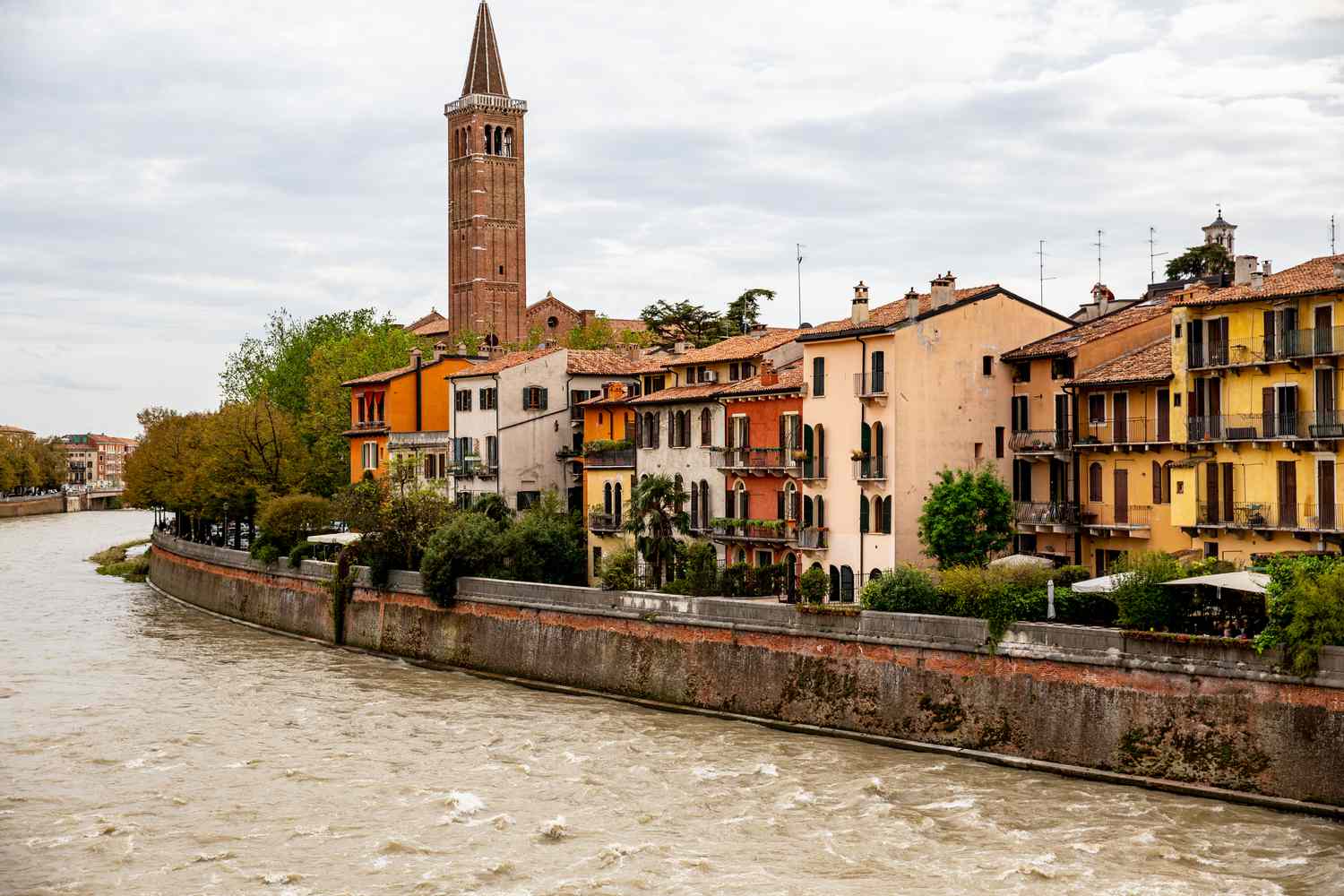
This geographical diversity has historically fostered unique regional cultures, dialects, and traditions, yet an undeniable sense of "Italianness" binds them together. The resilience of mountain communities, the artistic fervor of river cities, and the maritime heritage of coastal towns all contribute to the rich mosaic that is Italy. Each landscape has inspired different art forms, architectural styles, and culinary practices, adding unique threads to the grand tapestry of Italian heritage. This geographical tapestry, where every region contributes a thread to the grand narrative, showcases another dimension of how Italy passes the torch of its unique identity, one that embraces diversity within a unified spirit.
Exploring these varied landscapes offers a deeper understanding of the country's soul. Imagine hiking in the Italian Alps one week and lounging on a Sicilian beach the next, experiencing the vast spectrum of experiences Italy offers. This journey not only reveals breathtaking natural beauty but also the subtle ways in which environment shapes and preserves culture.
Conclusion: Italy's Eternal Radiance
Italy is much more than a collection of beautiful sights; it is a profound journey through the annals of human endeavor, a vibrant celebration of life, and a continuous source of inspiration. From the ancient stones of Rome that whisper tales of emperors and gladiators, to the sublime frescoes of the Renaissance that capture the essence of human genius, and the comforting aromas of a perfectly prepared meal, Italy is a country that never ceases to give. It is a place where history isn't just observed; it's lived and breathed, where tradition is a dynamic force, constantly evolving yet firmly rooted in a rich past.
The concept of Italy passes torch is evident in every facet of its being: in the meticulous preservation of its historical sites, in the passionate continuation of its artistic schools, in the cherished recipes passed down through generations, and in the warm embrace of its people. Italy continues to illuminate, inspire, and shape the world, inviting all who visit to participate in its ongoing legacy. To experience Italy is to connect with an enduring spirit, to be part of a story that has spanned millennia, and to leave enriched by a culture that truly understands how to carry the flame forward.