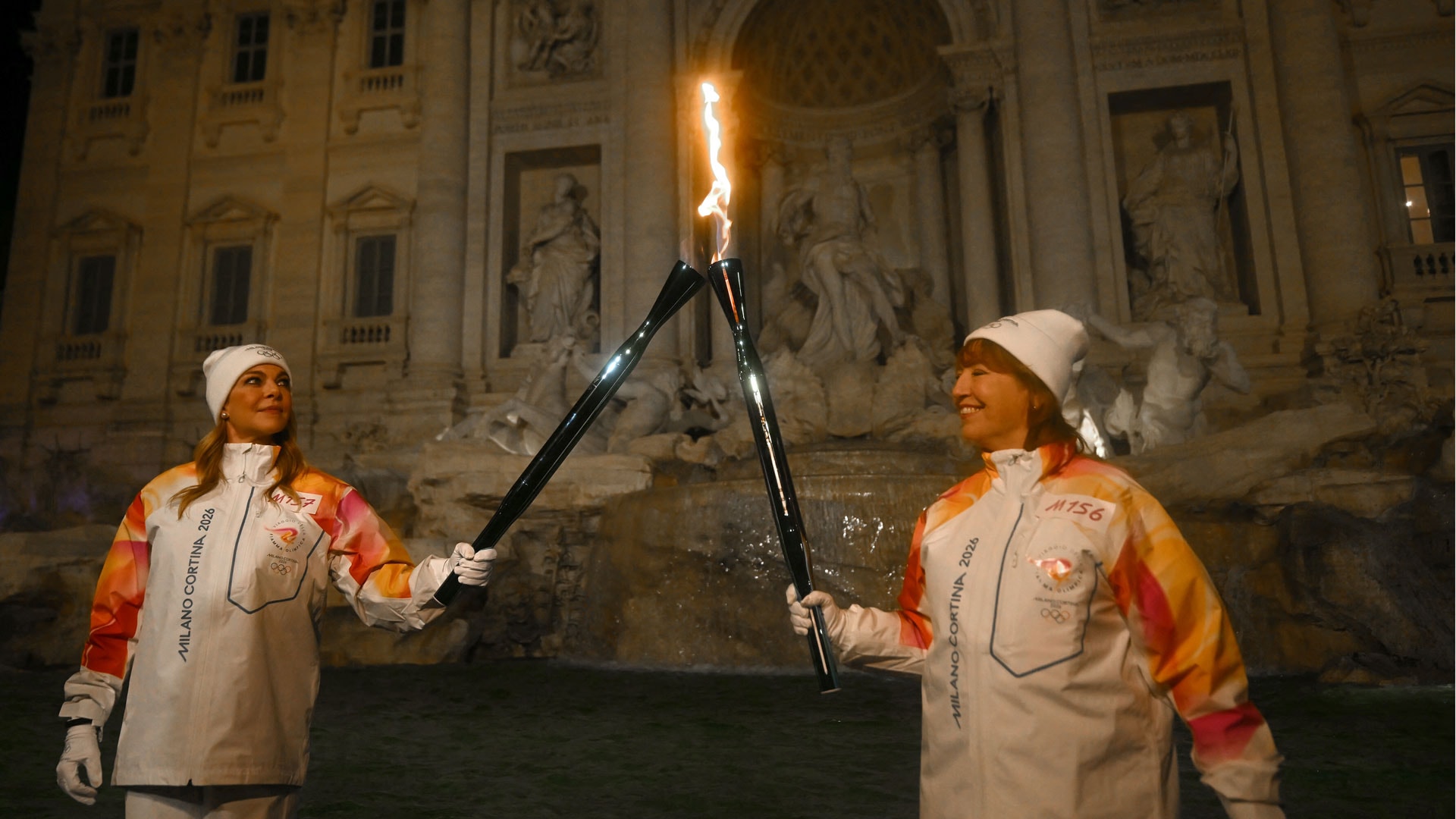
The Enduring Allure of Italy: Where History Passes the Torch
Nestled elegantly in the heart of southern Europe, Italy is far more than just a destination; it's a living, breathing testament to millennia of human endeavor, artistic genius, and unparalleled natural beauty. From the moment you set foot on its soil, you sense the palpable weight of history, the vibrant pulse of culture, and the captivating embrace of its diverse landscapes. Known globally for its distinctive boot-shaped geography, Italy stretches majestically from the snow-capped, rugged peaks of the Alps in the north to the sun-drenched, tranquil beaches of Sicily in the south. This remarkable land seamlessly weaves together ancient ruins whispering tales of empires, the breathtaking masterpieces of the Renaissance, and a world-famous culinary tradition that is, in itself, an art form. It is a top-tier destination for travelers and a profound source of immense pride for its people, a nation that consistently demonstrates how it passes the torch of its glorious heritage from one generation to the next, and indeed, to the entire world.
To truly explore Italy is to embark on a journey through time, a continuous discovery of how its past informs its present and shapes its future. The concept of "italy passes torch" isn't merely a phrase; it embodies the very essence of this nation. It speaks to the enduring legacy of the Roman Empire, whose architectural and legal innovations still influence modern societies; to the fervent creativity of the Renaissance, which ignited a cultural explosion that forever changed art, science, and philosophy; and to the everyday traditions, passed down through families, that keep its rich cultural identity vibrant and alive. This article will delve into the multifaceted layers of Italy, offering insights, tips, and a deeper appreciation for a country that truly defines what it means to be eternally influential.
The Eternal Flame: Italy's Enduring Legacy and How it Passes the Torch
Italy's history is not confined to textbooks; it lives and breathes in every piazza, every crumbling ruin, and every ancient pathway. From the grandeur of the Roman Forum and the Colosseum, where gladiators once battled and emperors held sway, to the exquisite frescoes of Pompeii, frozen in time by Vesuvius, the remnants of ancient Rome stand as monumental proof of a civilization that laid foundational stones for Western society. This deep historical root is the first and perhaps most significant way that italy passes torch to subsequent eras. The Roman Empire's innovations in engineering, governance, and urban planning were not merely achievements of their time but blueprints that continue to inspire and instruct.
Following the decline of Rome, Italy once again ignited the flames of progress during the Renaissance. Cities like Florence, Venice, and Rome became epicenters of artistic and intellectual rebirth. Think of the boundless genius of Leonardo da Vinci, the divine sculpting of Michelangelo, or the architectural marvels of Brunelleschi. These masters, spurred by a rediscovery of classical ideals and a thirst for innovation, created works that remain unparalleled and continue to draw millions to Italy's museums and galleries. The spirit of the Renaissance, characterized by humanism and a profound appreciation for beauty and knowledge, is another powerful way italy passes torch, inspiring creators and thinkers across the globe to this day. This artistic legacy is meticulously preserved in countless churches, galleries, and public spaces, ensuring that every visitor can witness and feel the energy of these transformative periods.
A Tapestry of Culture: Art, Cuisine, and La Dolce Vita
Beyond its ancient stones and Renaissance masterpieces, Italy's culture is a vibrant, intricate tapestry woven from daily rituals, passionate expressions, and a profound appreciation for the good life – la dolce vita. Italian culture is intrinsically linked to its regions, each boasting unique dialects, traditions, and, most famously, culinary specialties. This regional diversity is another beautiful example of how italy passes torch: local customs and recipes are cherished, perfected, and handed down, creating a delicious mosaic of tastes and experiences.
The global reputation of Italy's culinary art is no accident. It's a testament to generations of dedication to fresh ingredients, simple yet profound flavors, and the communal joy of eating. From the rich, creamy pastas of Emilia-Romagna to the fresh seafood of the Amalfi Coast, from the robust wines of Tuscany to the crisp pizzas of Naples, every meal is an event, a celebration of life. For instance, the tradition of Sunday lunch with family isn't just a meal; it's a sacred ritual, a time when stories are shared, bonds are strengthened, and the "torch" of family recipes and values is lovingly passed down.
But Italian culture extends far beyond the plate. It's in the world of high fashion, centered in Milan, dictating global trends season after season. It's in the passionate expressions of its people, the lively conversations, and the warmth of their hospitality. It's in the language itself, a melodic tongue that resonates with history and romance. Experiencing Italy means immersing yourself in this daily theatre, whether it's sipping an espresso at a bustling piazza, enjoying an evening passeggiata (stroll), or simply observing the graceful way Italians interact with their world. These are the soft, everyday ways italy passes torch, inviting you to be part of its continuous narrative.
Diverse Vistas: From Alpine Peaks to Sun-Kissed Shores
The geographical diversity of Italy is as breathtaking as its cultural richness. The country’s unique shape provides an incredible range of natural wonders, all within relatively close proximity. This incredible landscape plays a significant role in shaping the unique identities and traditions of its regions, further illustrating how italy passes torch through its very landforms. To discover Italy's diverse geography is to embark on multiple adventures in one journey.
In the north, the majestic Dolomites, part of the greater Alps, offer dramatic jagged peaks, lush valleys, and pristine alpine lakes. Here, the culture has a distinct Central European flavor, with traditions and architecture influenced by neighboring Austria and Switzerland. Further south, the rolling hills of Tuscany paint a picture of idyllic beauty with their cypress-lined avenues, ancient olive groves, and vineyards producing some of the world's finest wines. This landscape has inspired countless artists and poets, its timeless beauty a constant source of inspiration passed down through generations.
Moving towards the south, the landscape transforms again. The dramatic cliffs and azure waters of the Amalfi Coast mesmerize with their picturesque towns clinging to mountainsides. Then, there's Sicily, the largest island in the Mediterranean, a land of ancient Greek temples, fiery volcanoes like Mount Etna, and vibrant, sun-baked landscapes. Each region, defined by its geography, has cultivated its own unique way of life, its own set of stories and traditions. This geographical variety ensures that the "torch" of Italian identity is not singular but a collection of distinct flames, each burning brightly with local pride.
Practical Tips for Your Italian Journey: Embracing the Legacy
To truly experience Italy and appreciate how it passes the torch of its heritage, thoughtful planning can enhance your journey. Here are some practical tips to help you make the most of your adventure:
- Best Time to Visit: Spring (April-May) and Autumn (September-October) offer pleasant weather, fewer crowds, and vibrant landscapes. Summer (June-August) is popular but can be very hot and crowded, especially in major cities and coastal areas.
- Transportation: Italy boasts an excellent, extensive, and efficient train network, making it easy to travel between major cities and many smaller towns. For more remote areas, renting a car offers flexibility. Within cities, walking is often the best way to soak in the atmosphere, and local buses or metros are convenient.
- Embrace Local Customs: Learn a few basic Italian phrases ("Buongiorno," "Grazie," "Per favore"). Italians appreciate the effort. Dress respectfully when visiting churches and religious sites (shoulders and knees covered).
- Savor the Cuisine: Don't just eat; dine. Seek out trattorias and osterias for authentic local food. Explore regional specialties. Remember that espresso is typically enjoyed standing at the bar, and cappuccino is a morning drink.
- Book in Advance: For popular attractions like the Colosseum, Vatican Museums, or Uffizi Gallery, booking tickets online well in advance is crucial to avoid long queues. Accommodation, especially during peak season, should also be booked ahead of time.
- Stay Hydrated: Especially in warmer months, carry a reusable water bottle. Italy has numerous public drinking fountains (nasoni in Rome) where you can refill for free.
- Pace Yourself: Italy has an incredible amount to offer. Don't try to see everything. Allow yourself time to wander, get lost, and simply enjoy the moment. The magic of italy passes torch often reveals itself in unexpected, unhurried discoveries.
In conclusion, Italy is a nation that continually passes the torch of its unparalleled legacy to new generations and eager travelers alike. It's a country where every cobblestone has a story, every masterpiece evokes wonder, and every meal is a celebration of life. From the foundational stones of ancient Rome to the vibrant brushstrokes of the Renaissance, from the majestic peaks of the Alps to the sun-kissed shores of Sicily, Italy offers a journey that is as enriching as it is exhilarating. It invites you not just to observe its history, culture, and landscapes, but to become a part of its ongoing narrative, to feel the warmth of its enduring flame, and to carry a piece of its magic with you long after you've returned home. This enduring appeal, this continuous influence, is the ultimate testament to how italy passes torch, brightly illuminating the path for humanity's future while celebrating its glorious past.